Setting up a modern operation theatre is one of the most critical and capital-intensive investments for any hospital, nursing home, or day-care surgical center. Over the past decade, traditional operation theatres have rapidly been replaced by Modular Operation Theatres (Modular OTs). The primary reasons behind this shift are strict infection control standards, seamless maintenance, and mandatory compliance with NABH (National Accreditation Board for Hospitals) guidelines.
However, healthcare providers face a major challenge: How to find the most economical yet high-quality modular OT manufacturer in Delhi?
This comprehensive guide breaks down everything you need to know about setting up a budget-friendly modular OT, key features to look for, cost estimations, and how to choose the right manufacturing partner in Delhi NCR.
What is a Modular OT and Why is it Essential?
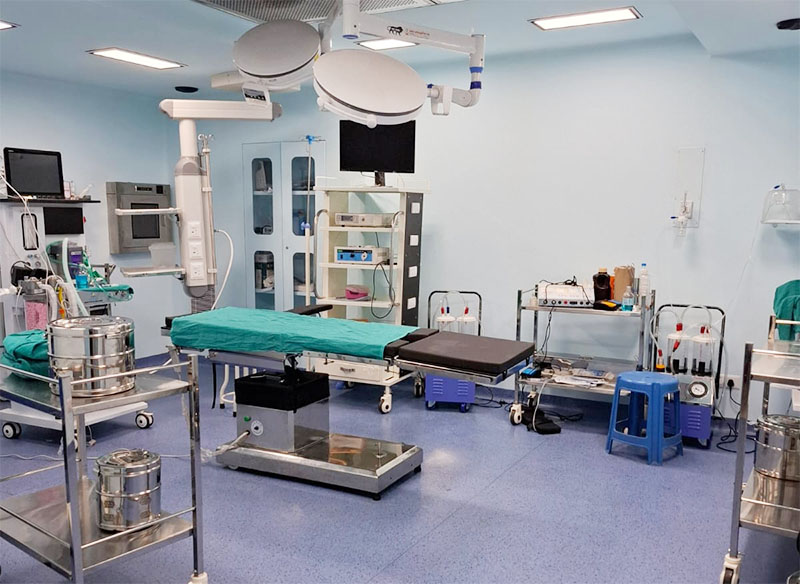
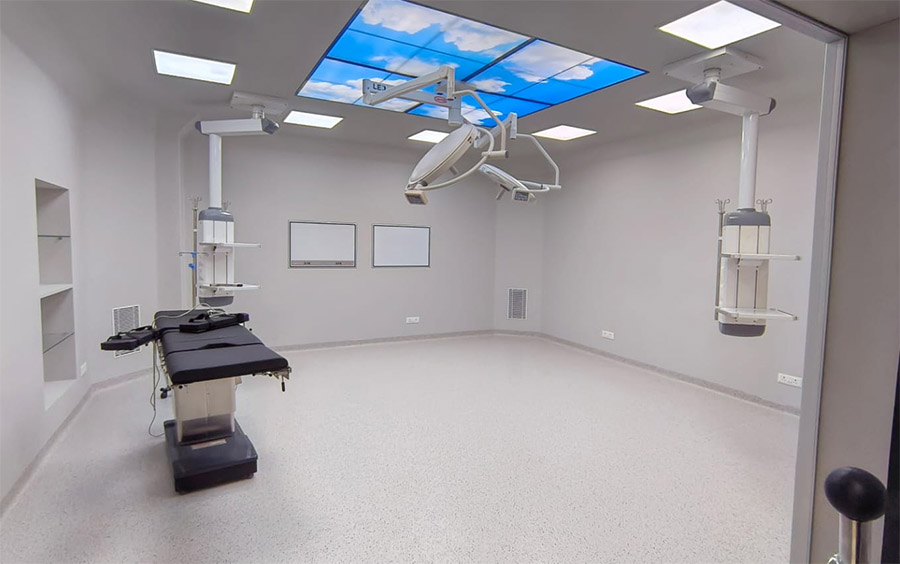
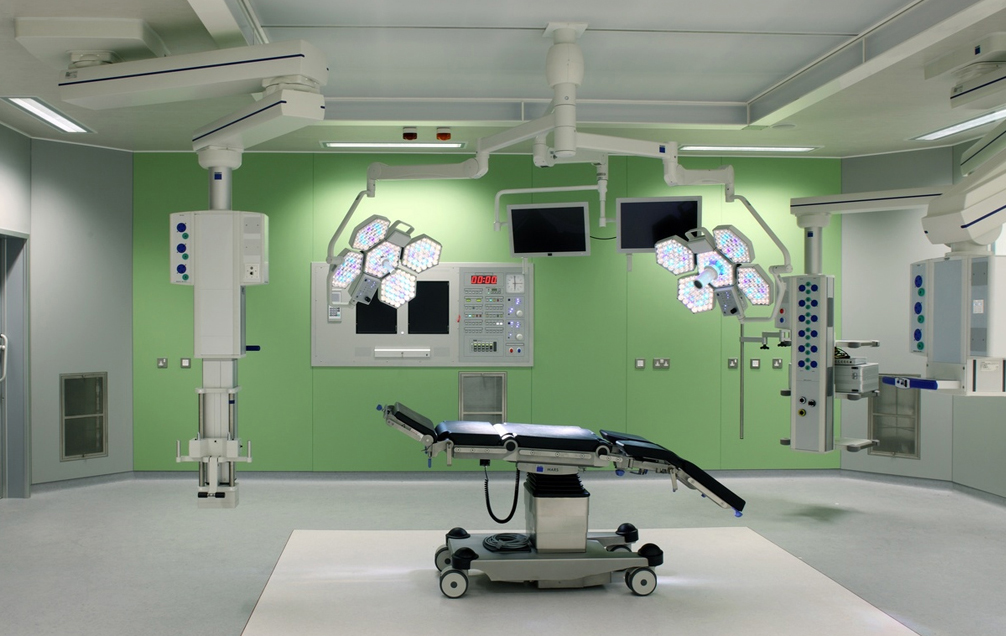
A Modular Operation Theatre is a pre-engineered, prefabricated enclosure constructed inside a hospital space. Unlike traditional brick-and-mortar OTs, a modular OT integrates seamless wall and ceiling panels, controlled laminar airflow systems, specialized hermetic doors, anti-bacterial flooring, and centralized medical gas pipelines into a unified, sterile environment.
Key Advantages Over Conventional OTs:
Superior Infection Control: Wall panels are designed without sharp corners or joints, preventing dust accumulation, moisture retention, and bacterial growth.
Laminar Airflow with HEPA Filters: Ensures ultra-clean air circulation (99.97% efficiency down to 0.3 microns) directly over the surgical table.
Rapid Installation: Prefabricated components drastically reduce site execution and construction time.
NABH Compliance: Built strictly according to national and international healthcare design standards.
Key Components of a Cost-Effective Modular OT
To build an economical modular OT without compromising on patient safety or quality standards, it is essential to understand the core structural components:
Wall & Ceiling Panels:
Powder-Coated Galvanized Iron (GI): A highly durable, cost-effective alternative to full Stainless Steel (SS 304) panels, ideal for budget-conscious facilities.
Stainless Steel (SS 304): Premium choice offering maximum corrosion resistance and longevity.
Laminar Airflow System (LAF):
Delivers a unidirectional flow of sterile air over the surgical field to maintain atmospheric purity during surgeries.
Hermetically Sealed Sliding Doors:
Air-tight automatic or manual doors that prevent air leakage and maintain required pressure differentials.
Anti-Static & Anti-Bacterial Vinyl Flooring:
Continuous, jointless conductive flooring designed to prevent electrostatic discharge and withstand heavy equipment movement.
Surgeon Control Panel & X-Ray Viewers:
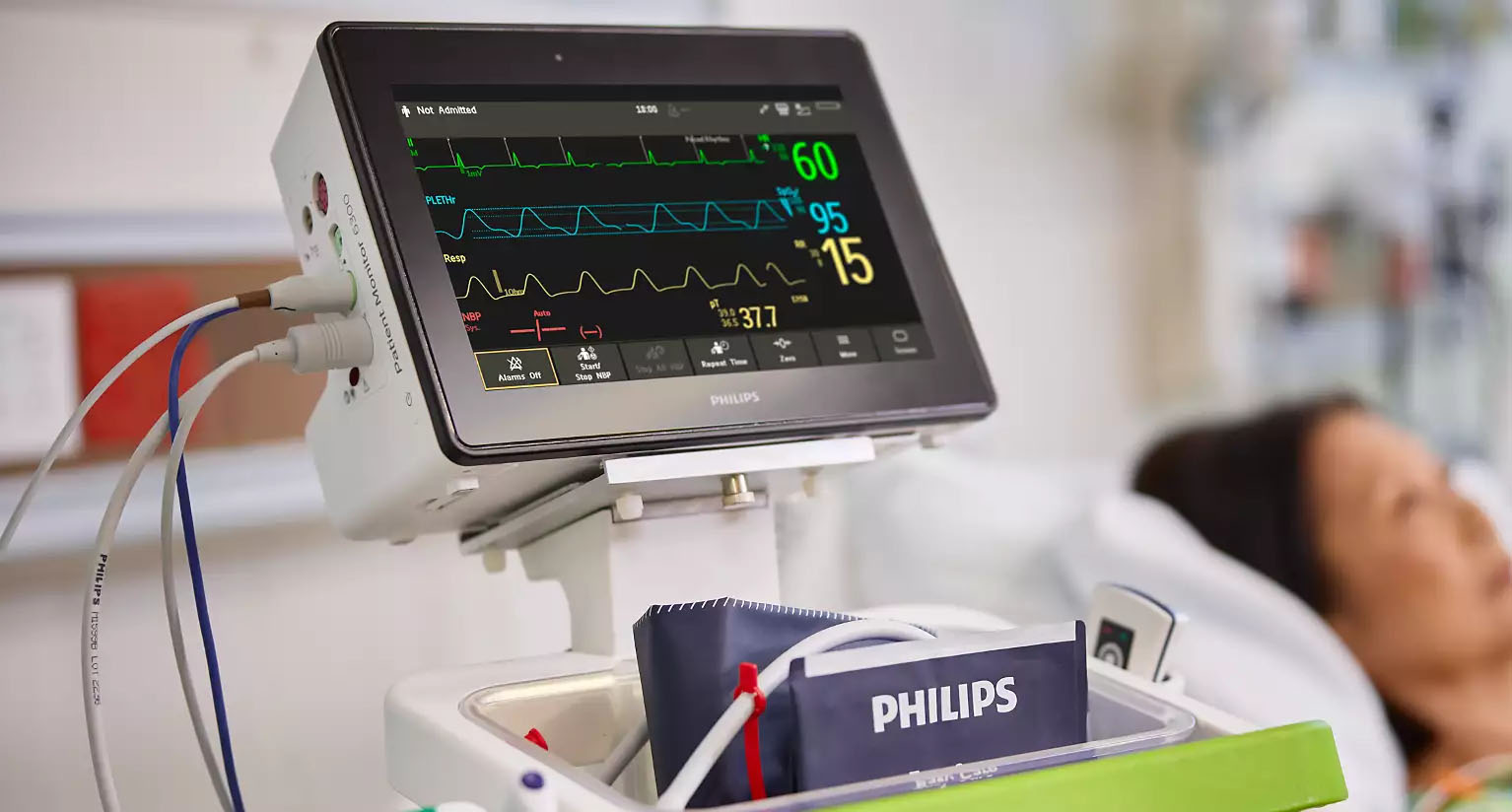
Integrated touch or membrane panels to monitor room temperature, humidity, lighting, and pressure levels.
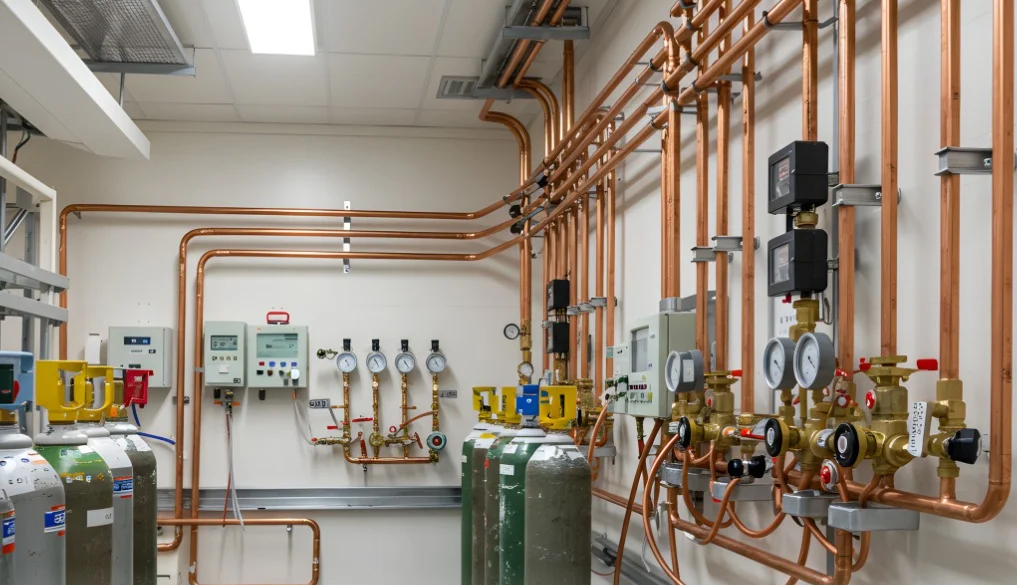
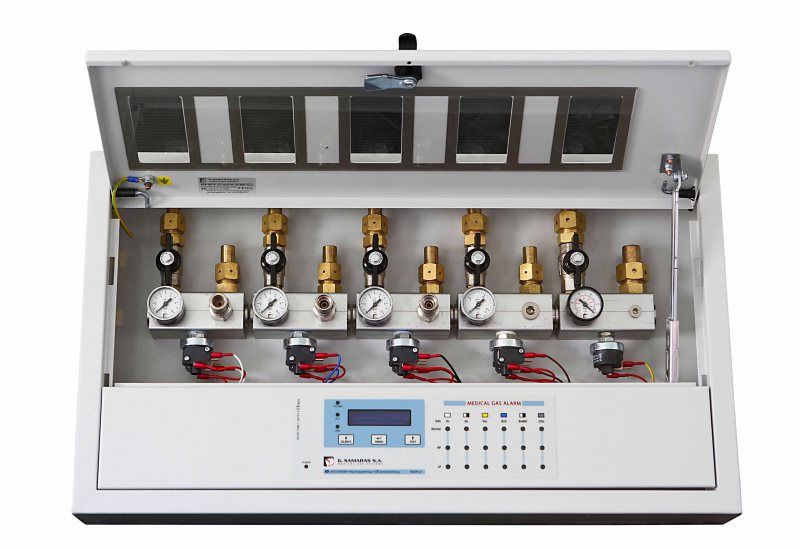
Medical Gas Pipeline System (MGPS) & Pendants:
Ceiling-mounted or wall-integrated outlets for seamless delivery of medical oxygen, nitrous oxide, vacuum, and surgical air.
How to Choose the Most Economical Modular OT Manufacturer in Delhi
Delhi NCR is home to several medical equipment suppliers and fabricators. To ensure you get the best value for your investment, evaluate manufacturers against these crucial criteria:
1. In-House Manufacturing Capability
Companies with their own sheet metal fabrication, panel coating, and air filter assembly units eliminate middleman markups, offering significantly lower direct factory prices.
2. Customization and Material Options
A good manufacturer should offer flexible material choices—such as high-grade GI panels with anti-bacterial powder coating—allowing you to stay within budget while meeting clinical standards.
3. Turnkey Execution
Opting for a turnkey solution provider (who manages civil modifications, HVAC ducting, electrical wiring, gas pipelines, and panel fitting under one roof) prevents cost overruns and coordination delays.
4. Regulatory & Quality Certifications
Ensure the manufacturer holds ISO 9001, ISO 13485 (Medical Devices), and CE certifications. Their designs must adhere strictly to NABH and ASHRAE guidelines.
5. Prompt Local After-Sales Support
Modular OTs require periodic validation, HEPA filter replacements, and pressure re-balancing. Choosing a Delhi-based manufacturer guarantees quick service turnarounds and reliable Annual Maintenance Contracts (AMC).
Estimated Modular OT Setup Cost in Delhi NCR
The cost of setting up a modular OT in Delhi NCR depends heavily on the chosen panel material, room dimensions, HVAC capacity, and accessories. Below is an approximate cost breakdown:
| Modular OT Variant | Price Range (Approx.) | Ideal For |
|---|---|---|
| Basic GI Panel Setup | ₹12 Lakh - ₹18 Lakh | Small Nursing Homes, Eye Clinics & Day-Care Centers |
| Standard SS/GI Hybrid | ₹18 Lakh - ₹25 Lakh | Mid-size Multi-Specialty Hospitals |
| Full SS 304 Premium Setup | ₹25 Lakh - ₹40+ Lakh | Super-Specialty Centers & Tertiary Hospitals |
Note: Final costs vary based on civil structural requirements, HVAC duct distances, and specific equipment configurations.
Practical Tips Before Signing the Contract
Request Site Visits: Inspect the manufacturer’s previously completed OT installations in Delhi NCR to check panel finishing, door sealing, and airflow performance.
Detailed Bill of Quantities (BOQ): Ensure the quotation specifies exact panel thickness, paint density, HEPA filter efficiency grades, and component brands.
Verify Warranty Terms: Demand clear warranty documentation covering the Air Handling Units (AHU), control panels, and hermetic door motors.
Partnering with an experienced, direct manufacturer in Delhi allows healthcare facilities to build world-class, NABH-compliant surgical suites while keeping capital expenditure optimized.